HOW IT WORKS
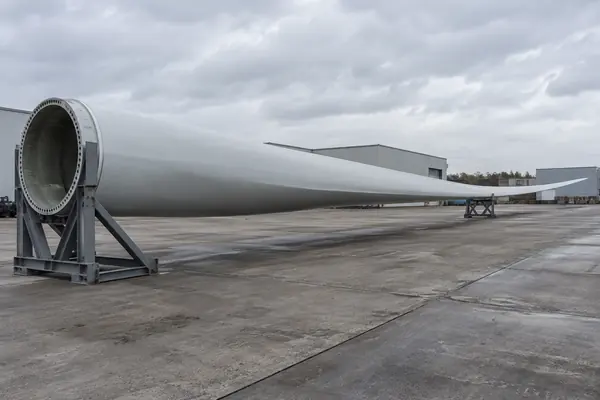
A wing on its side
When wind flows across a blade, the air pressure on one side drops. That creates lift and drag, and because the lift is stronger, the rotor spins, says the US Department of Energy.
See the parts doodleblade.
WHAT THE SOURCES SAY
A blade works like an aeroplane wing.
Modern blades are long, light and built mostly from fibreglass. That makes them strong in the wind for decades, and stubborn to break down when the first generation of wind farms comes to the end of its life.
Follow an old blade Read the short answer
THE SHORT ANSWER
The steel, copper and gears already have recycling routes.
The blades are the part still being worked out.
HOW IT WORKS
When wind flows across a blade, the air pressure on one side drops. That creates lift and drag, and because the lift is stronger, the rotor spins, says the US Department of Energy.
See the partsMATERIALS
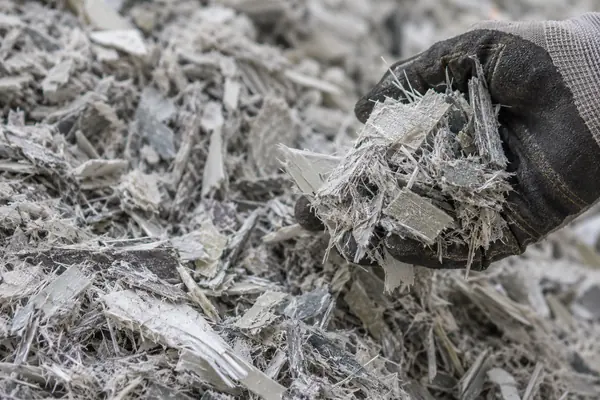
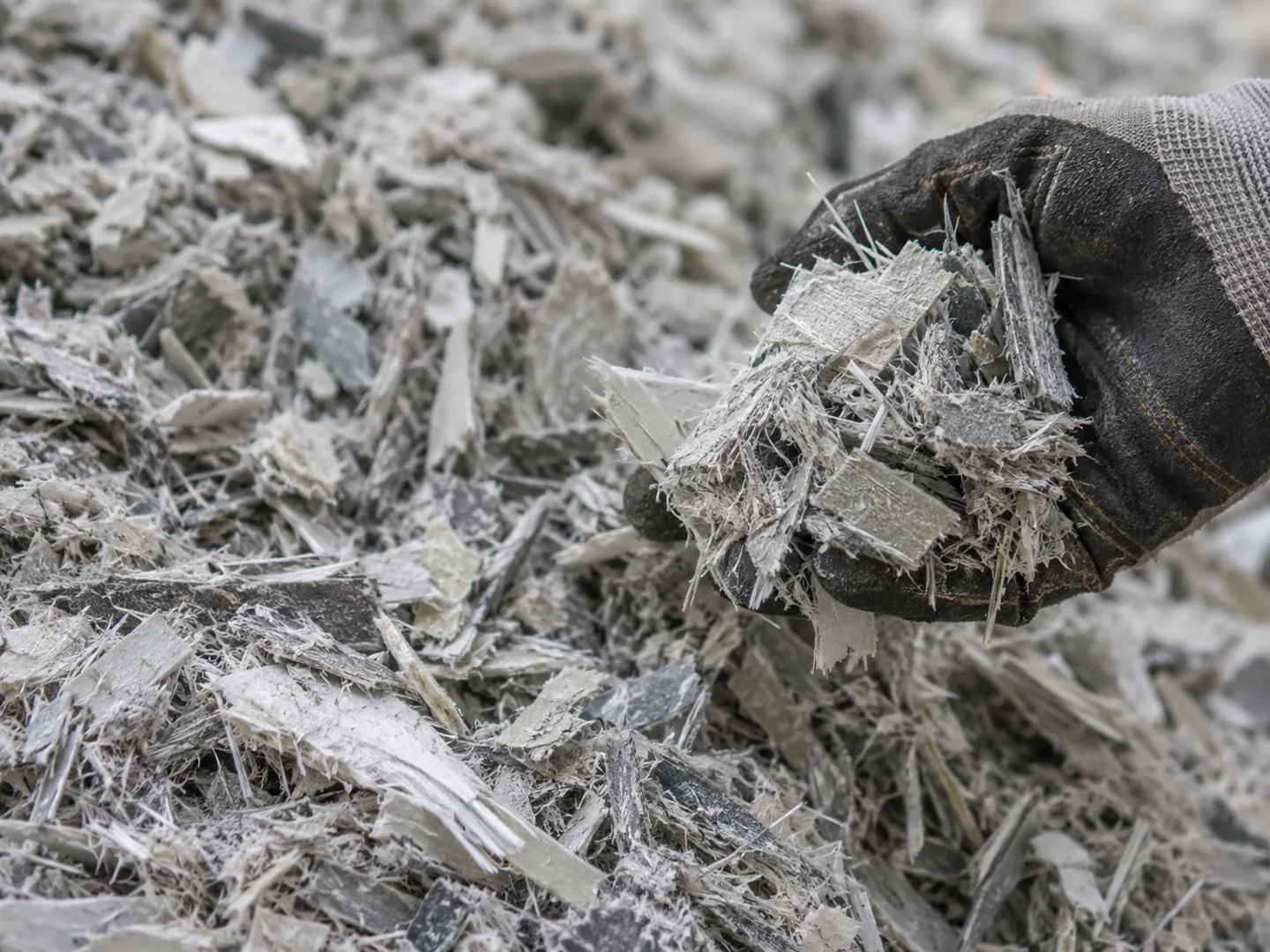
Blades are composites: glass or carbon fibres in a resin. The mix lets blades be lighter and longer, but it is hard to separate again at the end of their life.
See the numbersEND OF LIFE
A UK research programme found mechanical recycling and cement kiln co-processing are the only industrial-scale routes for glass fibre blade waste this decade.
Compare the routesWHERE CAN AN OLD BLADE GO?
Pick a route to see what it does and how ready it is. The bar shows how close the sources say each route is to handling blades at industrial scale today.
Based on the National Composites Centre's SusWIND review (2022), WindEurope (2021), the US Department of Energy and IEA Wind Task 45 (2023).
TWO NUMBERS WORTH KNOWING
One figure on what can already be recycled,
one on how much blade waste Europe expects.
RECYCLABLE MASS · WINDEUROPE
Share of a turbine's total mass that can already be recycled
85–90<small>%</small>
Steel, cement, copper wire, electronics and gearing already have established recycling. The blades, made of composites, are the challenging part. The UK's ORE Catapult gives the same 85 to 90 percent figure.
BLADE WASTE · WINDEUROPE
Blades expected to reach end of life in Europe each year by 2030
52,000<small> tonnes</small>
WindEurope expected around 25,000 tonnes a year by 2025, and said the annual volume could double to 52,000 tonnes by 2030 as older wind farms are decommissioned.
WindEurope gives the standard lifetime of an onshore wind farm as around 20 to 25 years, and says Austria, Finland, Germany and the Netherlands already had landfill bans for blades in 2021.
FOUR THINGS A BLADE DOES
The US Department of Energy's guide to a wind turbine shows how the blades work with the rest of the machine, from the hub to the pitch system.
WHY BLADES ARE TRICKY
Blades are built from layers of glass or carbon fibre locked in resin. The US Department of Energy says blades are typically 50 percent glass or carbon fibre composite by weight. The same qualities that make them light and stiff make them hard to take apart.
The same kinds of composites turn up in aircraft, boats, cars, bicycles, skis and surfboards, so methods for recycling blades could help other industries too. ORE Catapult estimates 2.5 million tonnes of composites are already in use in the wind sector.
QUESTIONS PEOPLE ASK
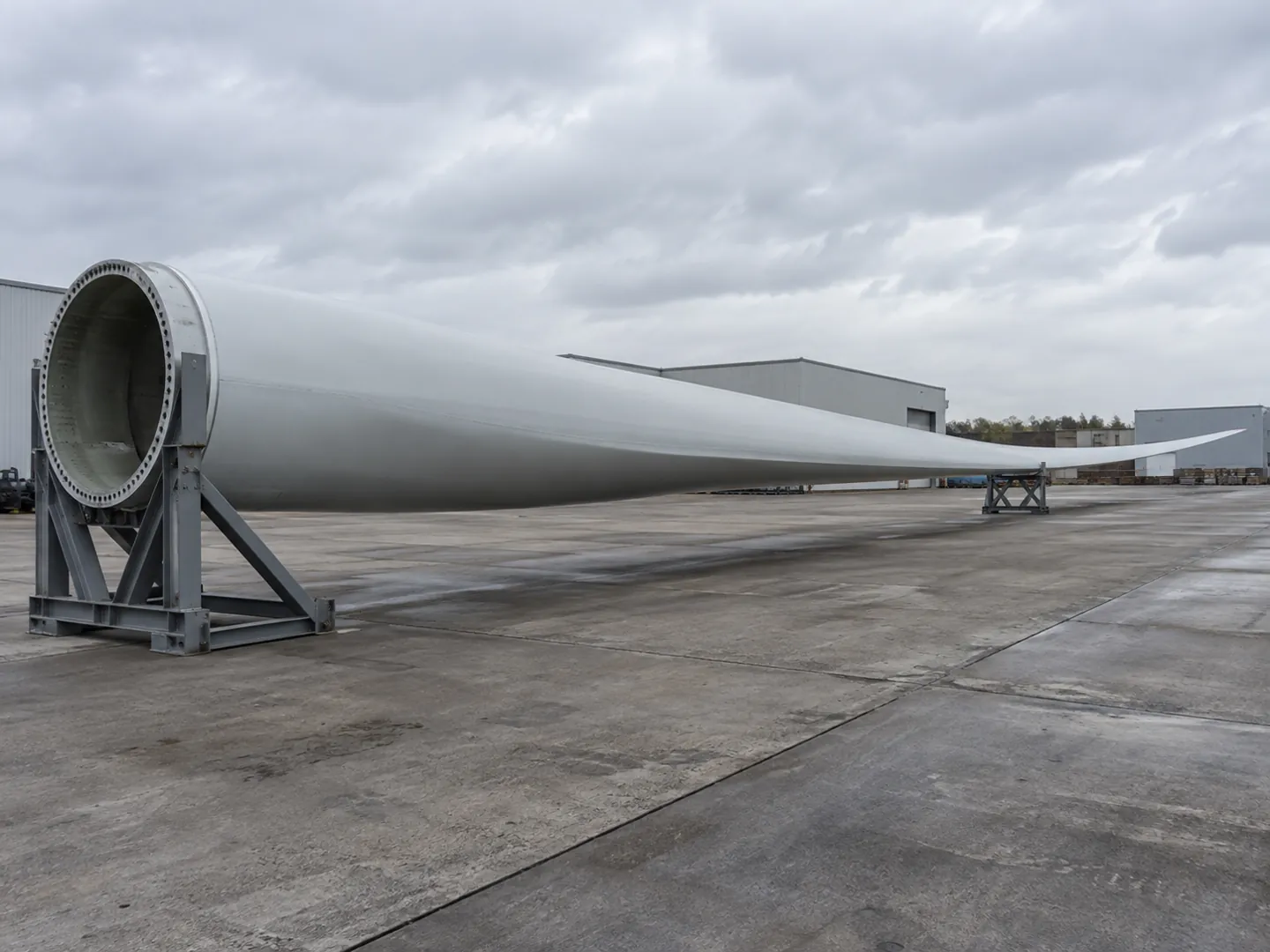
Mostly fibreglass, according to the US Department of Energy. More precisely they are composites: glass or carbon fibres held in a polymer resin, which makes them light, stiff and long.
The US Department of Energy says a typical modern land-based blade is over 52 metres (170 feet) long, and the largest offshore turbine blades are 107 metres, about the length of a football field.
WindEurope gives the standard lifetime of an onshore wind farm as around 20 to 25 years. The UK's ORE Catapult uses a 25-year lifecycle in its planning.
Yes, though not easily. A UK programme run by the National Composites Centre with ORE Catapult found mechanical recycling and cement kiln co-processing are the viable industrial-scale routes this decade. Pyrolysis is being scaled up and other methods are still in research.
Some do in parts of the world. WindEurope said in 2021 that Austria, Finland, Germany and the Netherlands already banned landfilling blades, and called for a Europe-wide ban by 2025.
SOURCES
Each figure on this page comes from the sources below. Check them for the full detail and context.